Claims you can defend in a retailer audit.
Sustainable manufacturing only counts if it survives someone checking. Everything on this page is backed by a certificate, a meter reading or an audit report we can send you.
GOTS
GRS
OEKO-TEX® 100
BSCI
SEDEX SMETA
Our position
We would rather show you the meter than the mood board
Underwear is a high-volume, short-life category, which makes it one of the harder places to make a real environmental difference. We focus on the three levers a factory actually controls: what goes into the fabric, how much water and energy the process uses, and how the people making it are treated.
Everything else — offsetting, storytelling, seasonal capsules — is your call as a brand. Our job is to give you numbers and documents that hold up.
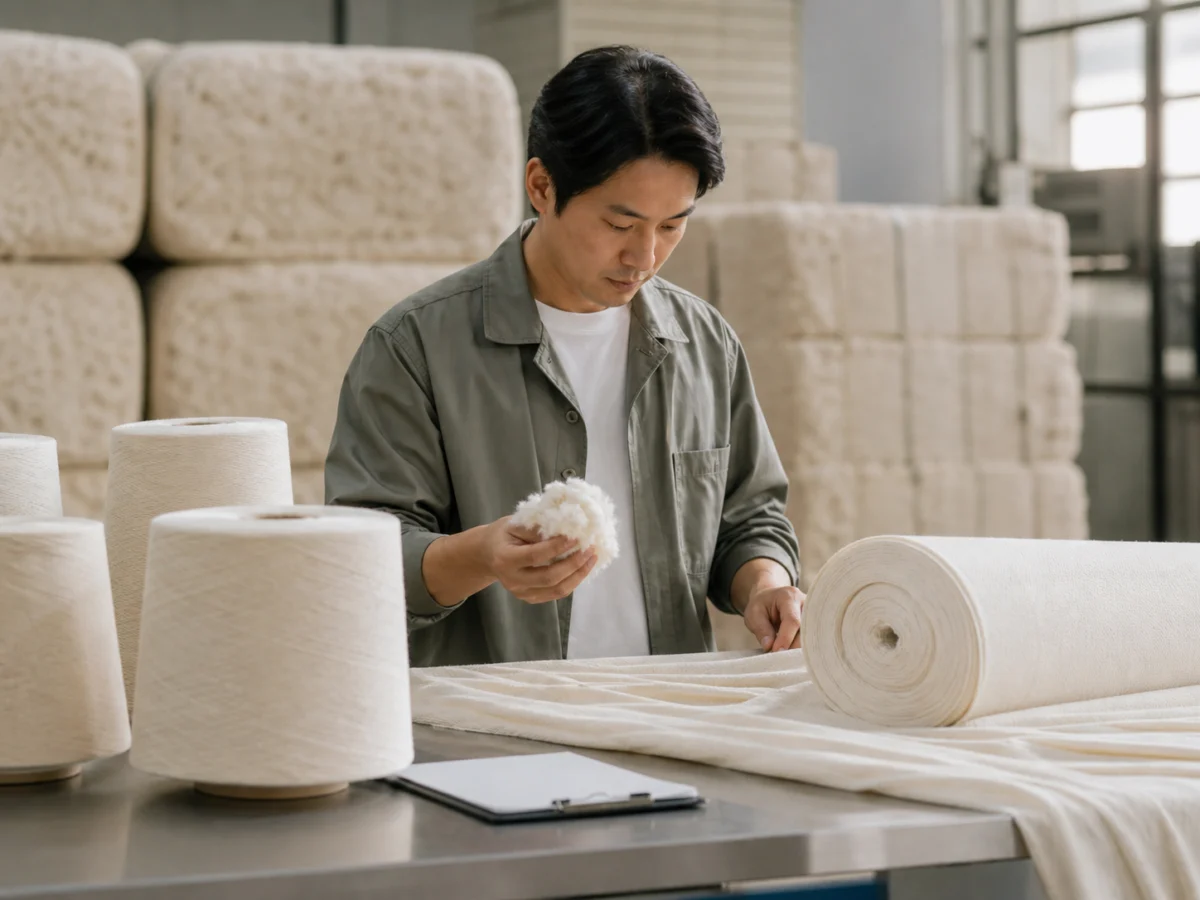
GOTS-certified organic cotton, batch-traced from ginner to knitting hall
Materials
Sustainable fabrics we already run in production
Not a wish list — these are in the building, with current scope certificates.
ORGANIC
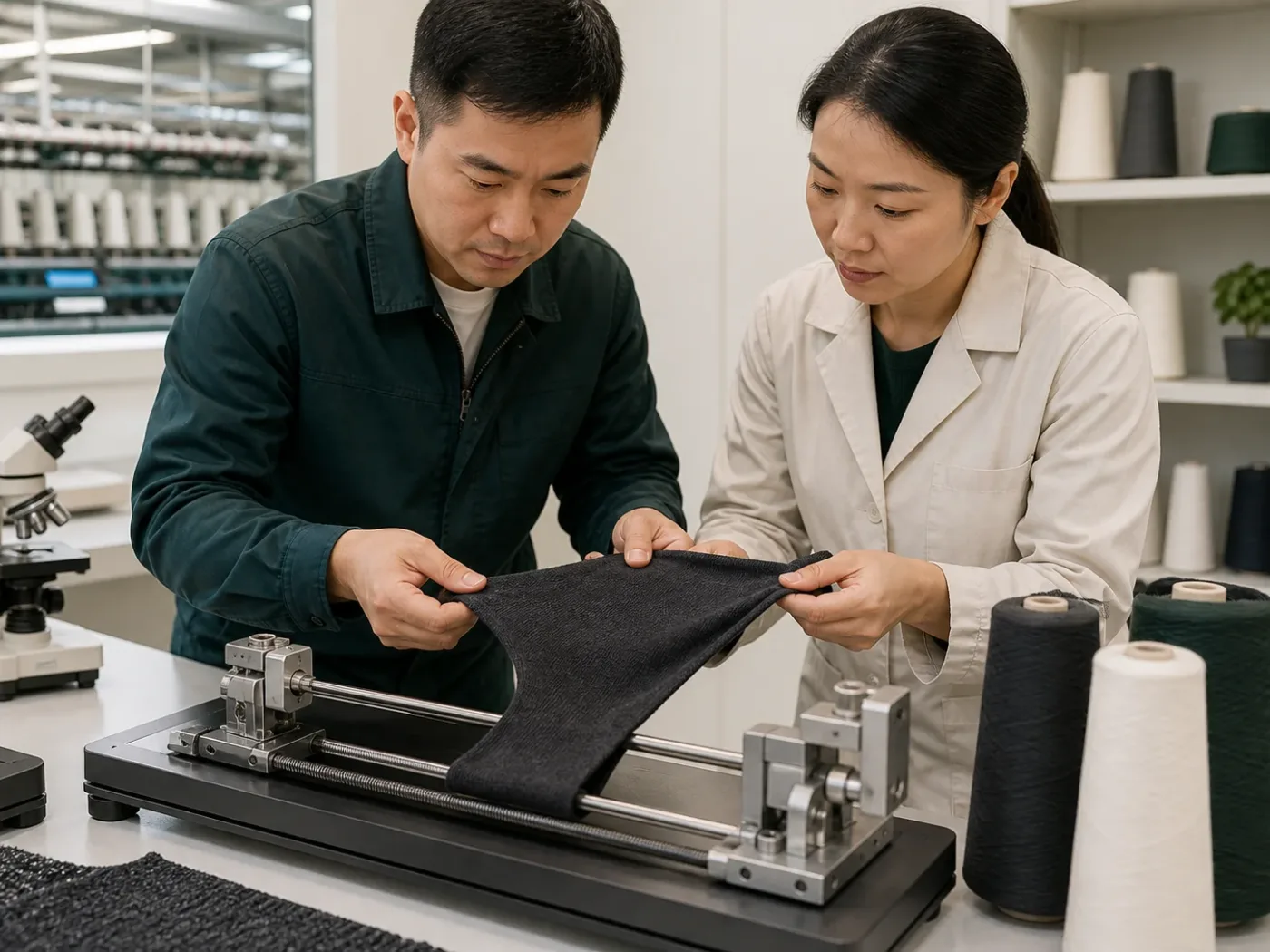
GOTS organic cotton
Grown without synthetic pesticides and traced by transaction certificate at every step. Jersey, rib and interlock from 150 to 200 GSM.
RECYCLED
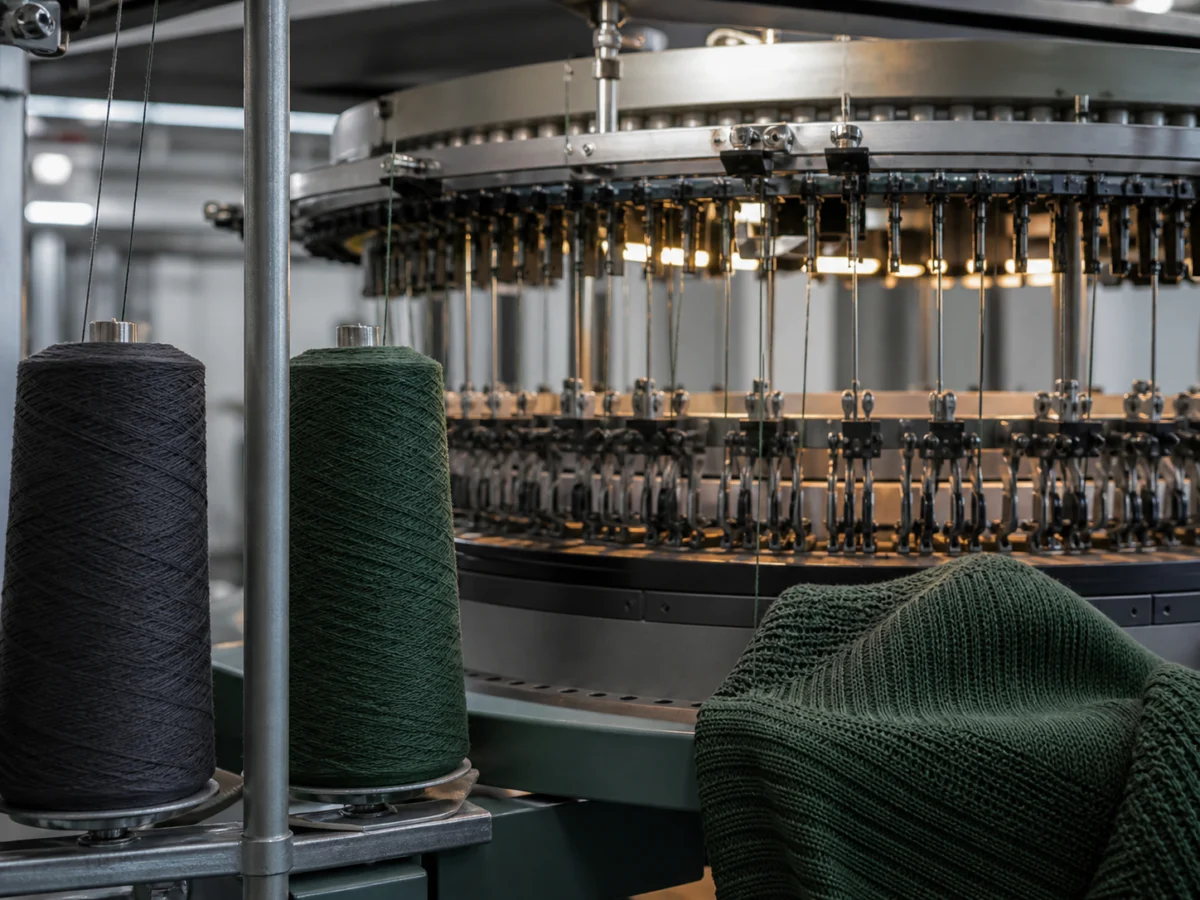
GRS recycled nylon
Regenerated from pre- and post-consumer waste, spun for seamless knitting. Same hand feel and recovery as virgin yarn at a 6–10% cost premium.
RECYCLED
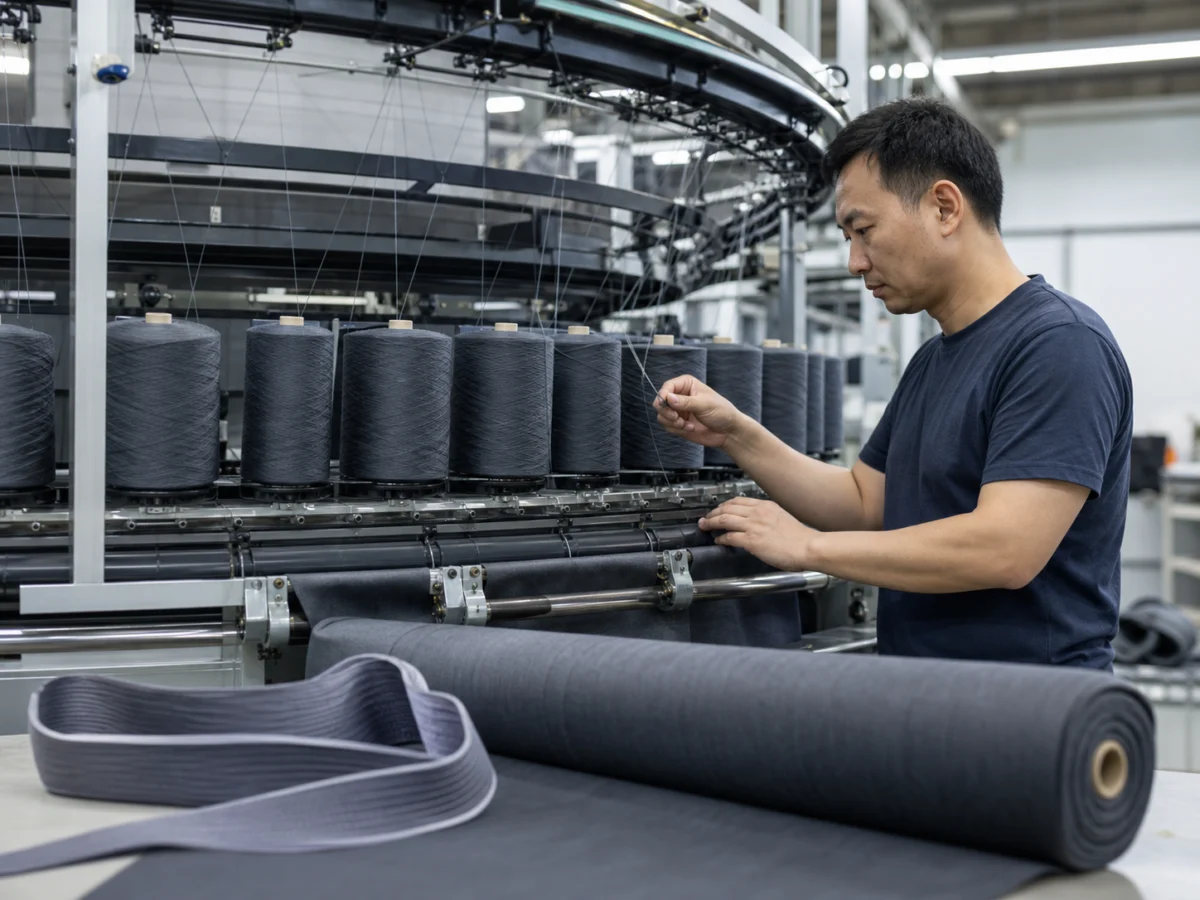
Recycled polyester
Bottle-derived rPET for waistband taping, elastics and packaging, so the sustainable story does not stop at the fabric.
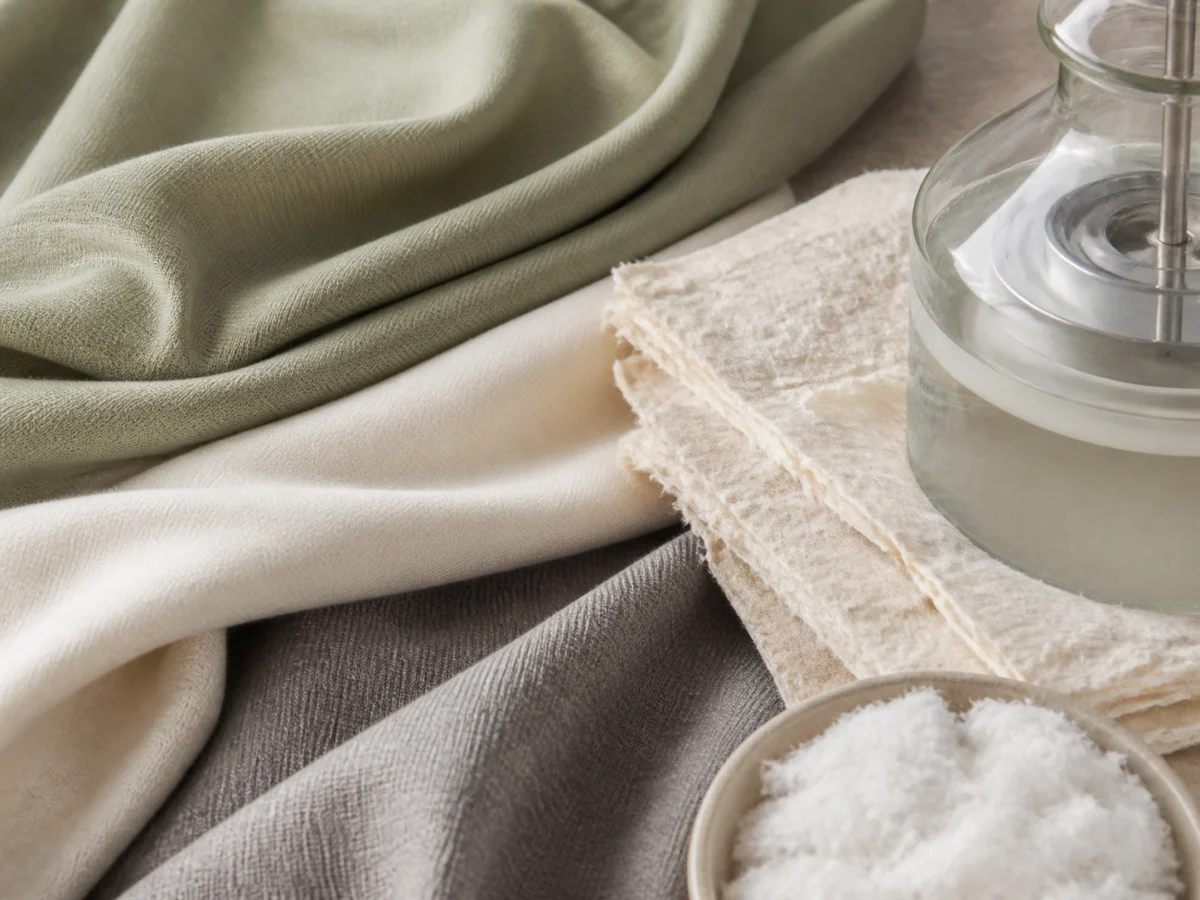
CELLULOSIC
LENZING™ modal & TENCEL™
Wood-pulp cellulosics from certified forests, produced in closed-loop systems that recover the solvent.

PACKAGING
Biodegradable packaging
Compostable polybags, FSC-certified hangtags and recycled cartons, printed with soy-based inks.
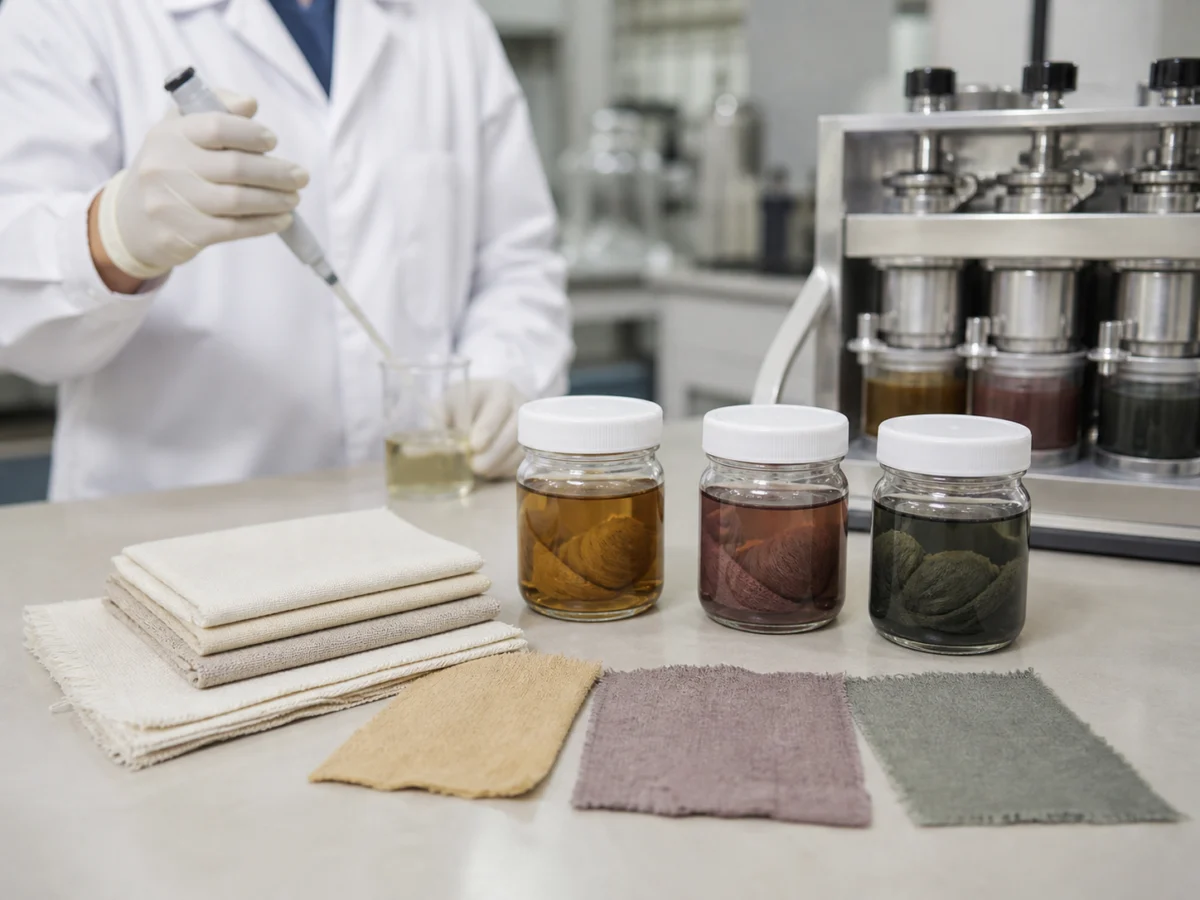
PROCESS
Undyed & low-impact dye
Natural-colour cotton and low-liquor-ratio dyeing that cuts water use per kilogram by roughly a third.
Energy & water
What the last three years actually changed
38%
Less water per kg dyed
420kW
Rooftop solar installed
92%
Cutting waste recycled
0
Wastewater to ground
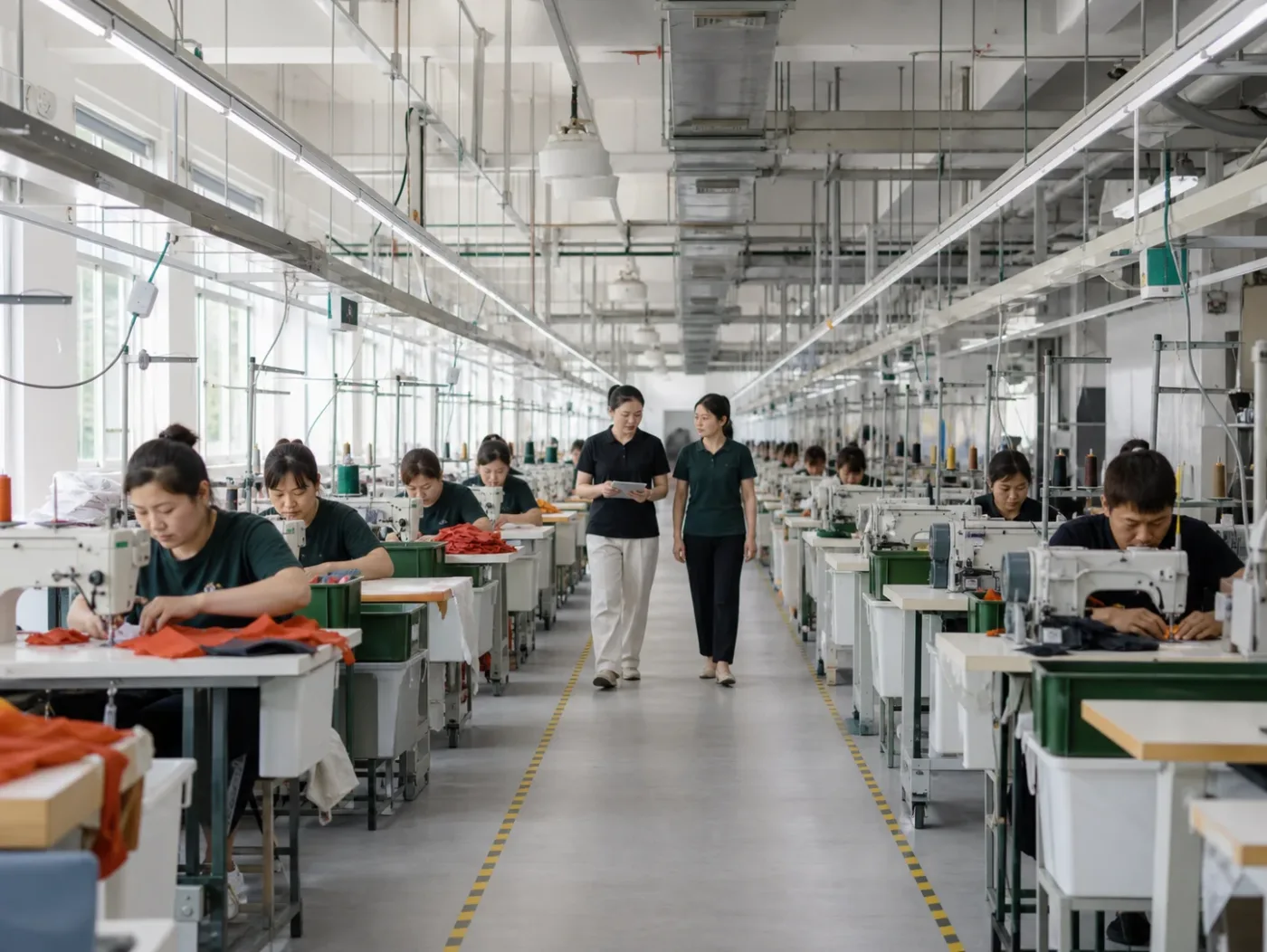
The sewing floor in Pujiang · audited under BSCI and SEDEX SMETA 4-pillar
Ethical production
The part of the supply chain that audits actually catch
- No child labour and no forced labour, verified by third-party audit rather than self-declaration.
- Contracted working hours with overtime paid at statutory rates and capped by policy.
- Wages above the Zhejiang provincial minimum, paid monthly by bank transfer with payslips.
- Air-conditioned workshops, free canteen meals and on-site dormitory rooms for staff who need them.
- Anonymous grievance channel with cases reviewed monthly by management.
- Corrective-action records from every audit shared with customers on request.
See the certificates before you commit.
We will send current GOTS and GRS scope certificates, the OEKO-TEX® certificate numbers and our latest SMETA report so your compliance team can check them independently.